
Simi Valley, California
Every calibration
written from
scratch.
Tune Guru writes custom tunes for your specific vehicle — your parts, your fuel, your goals. Maximum power is the target. Engine health and longevity are what decide where we stop.
Why Tune Guru
A tune is not a file
you download
Most vehicles arrive running a calibration that was written for somebody else's car. Yours is not that car.
Built for your vehicle, not copied from another
Plenty of shops paste in a file that worked on a similar combination and call it tuned. Every calibration here starts blank and gets dialled in on your vehicle, on the dyno, until the tables suit what is actually bolted to your engine.
Maximum power, without spending your engine to get it
We chase the most the combination will safely make — and engine health decides where we stop. Timing, air/fuel targets and temperatures are held to margins that survive a hot August afternoon, not just one clean pull for a screenshot.
Calibration is the whole business
For most shops the money is in builds and labor hours, and the tune is the last thing anyone thinks about. It is the only thing we do. That is why it gets the hours it needs instead of whatever is left at the end of a job.
We tune what you already have
We will tell you what we would fit and why, but we will not make you buy it to get tuned. Whatever combination of parts is on the vehicle — bought here, bought elsewhere, or inherited with the car — we calibrate around it.
Services
What we do for your vehicle
Calibration, diagnosis and verification — in the shop, at your shop, or remotely. We also travel off-site for events, shops and customers who cannot bring the vehicle to Simi Valley.
Dyno Tuning
Custom calibration on our Dynojet chassis dyno with real load, real data and a printed graph.
Learn more → AnywhereRemote Tuning
Email-based custom tunes for street cars and trucks, built from your datalogs and revised until it is right.
Learn more → In-shopDiagnostics
Drivability problems, stubborn check-engine lights and post-build gremlins traced to the actual cause.
Learn more → Self-serveDyno Rental
Rent our Dynojet by the hour. Bring your own tuner, or use ours as the operator.
Learn more → Second opinionTune Audit
Built or tuned somewhere else? We datalog the vehicle and tell you whether the calibration is safe and making what it should.
Learn more → RetailPerformance Parts
Authorized distributor for the hardware we tune — ordered, installed and calibrated under one roof.
Learn more →Why the dyno matters
A road tune is a guess. A dyno tune is a precise calibration.
On the street you cannot hold an engine at 4,200 rpm under full load for as long as you need, you cannot repeat the same conditions twice, and you cannot see what the air/fuel ratio is doing at the exact moment it matters. On the rollers we can do all three.
That means we can find detonation before it finds your pistons, correct a lean spot you would never feel, and prove that the change we just made is worth keeping. Every session ends with a graph that compares where the vehicle started to where it finished.
- Load control Hold any rpm under real load to tune the areas you actually drive in.
- Wideband data Air/fuel ratio logged through the whole pull, not sampled at the tailpipe afterward.
- Knock detection Timing pulled back before damage happens, not after.
- Repeatability Same conditions, back to back, so a gain is a gain and not a tailwind.
- Documentation A printed Dynojet graph you keep — the same numbers everyone compares against.
In the shop
What comes through the door
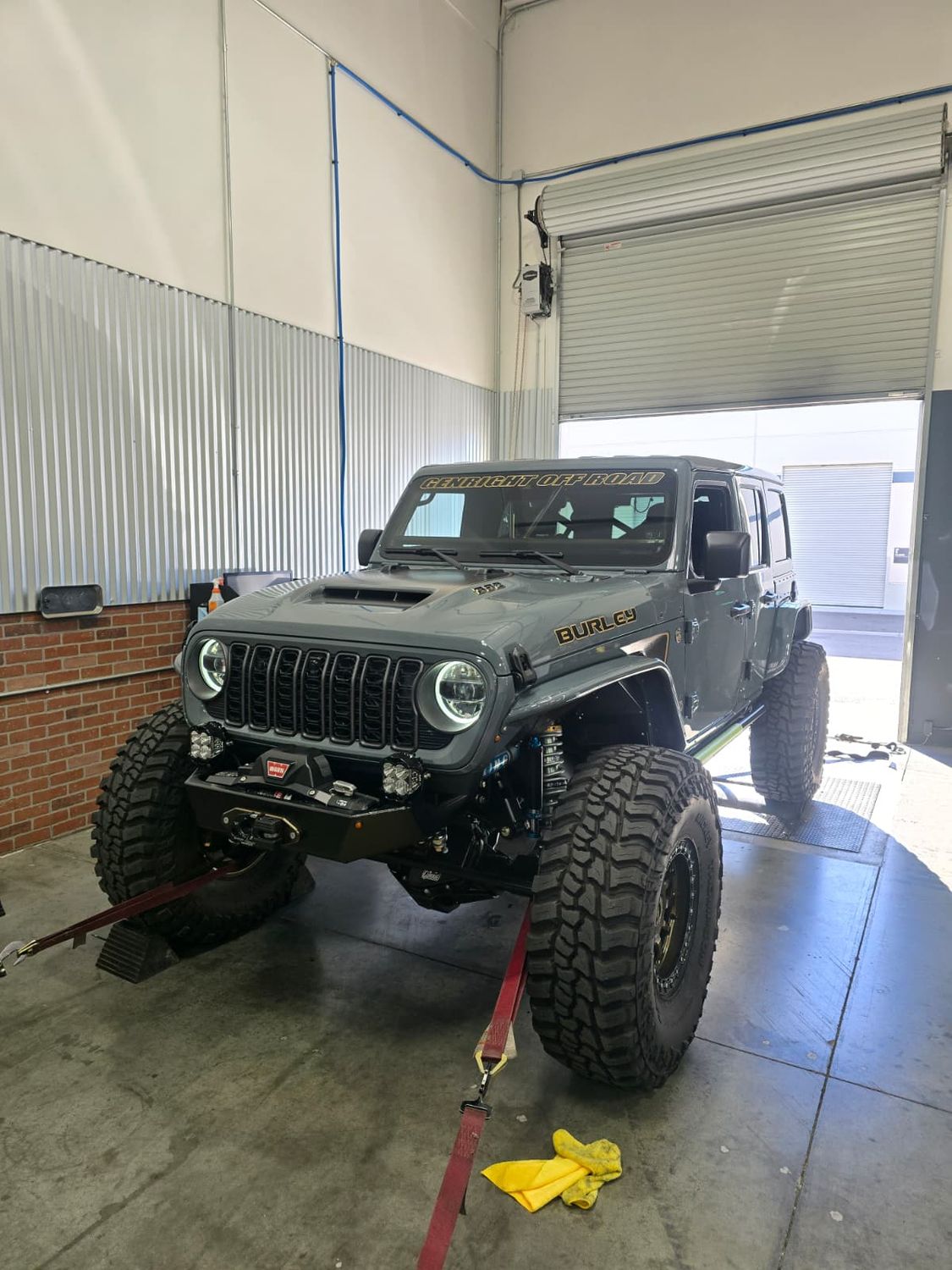
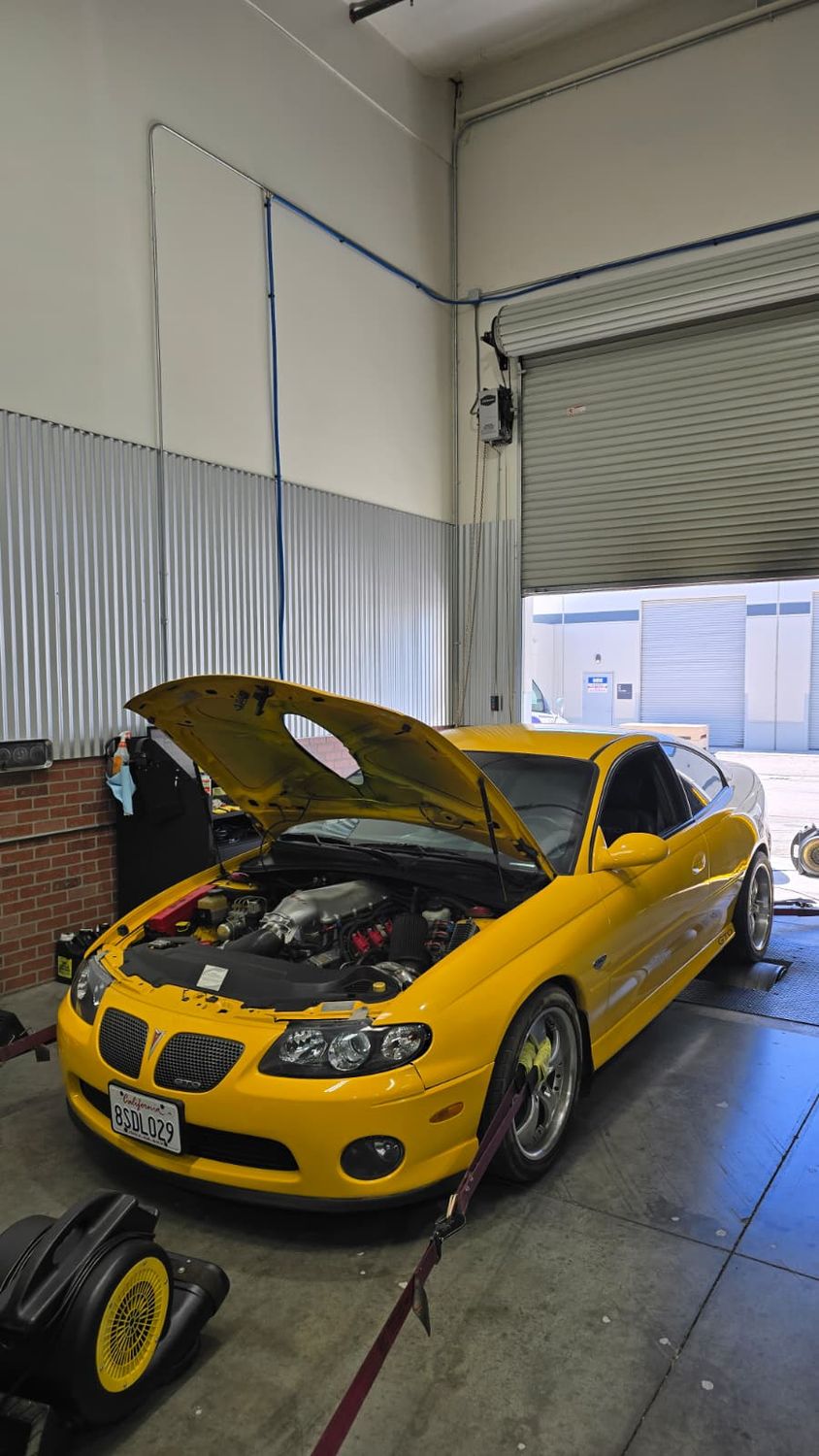
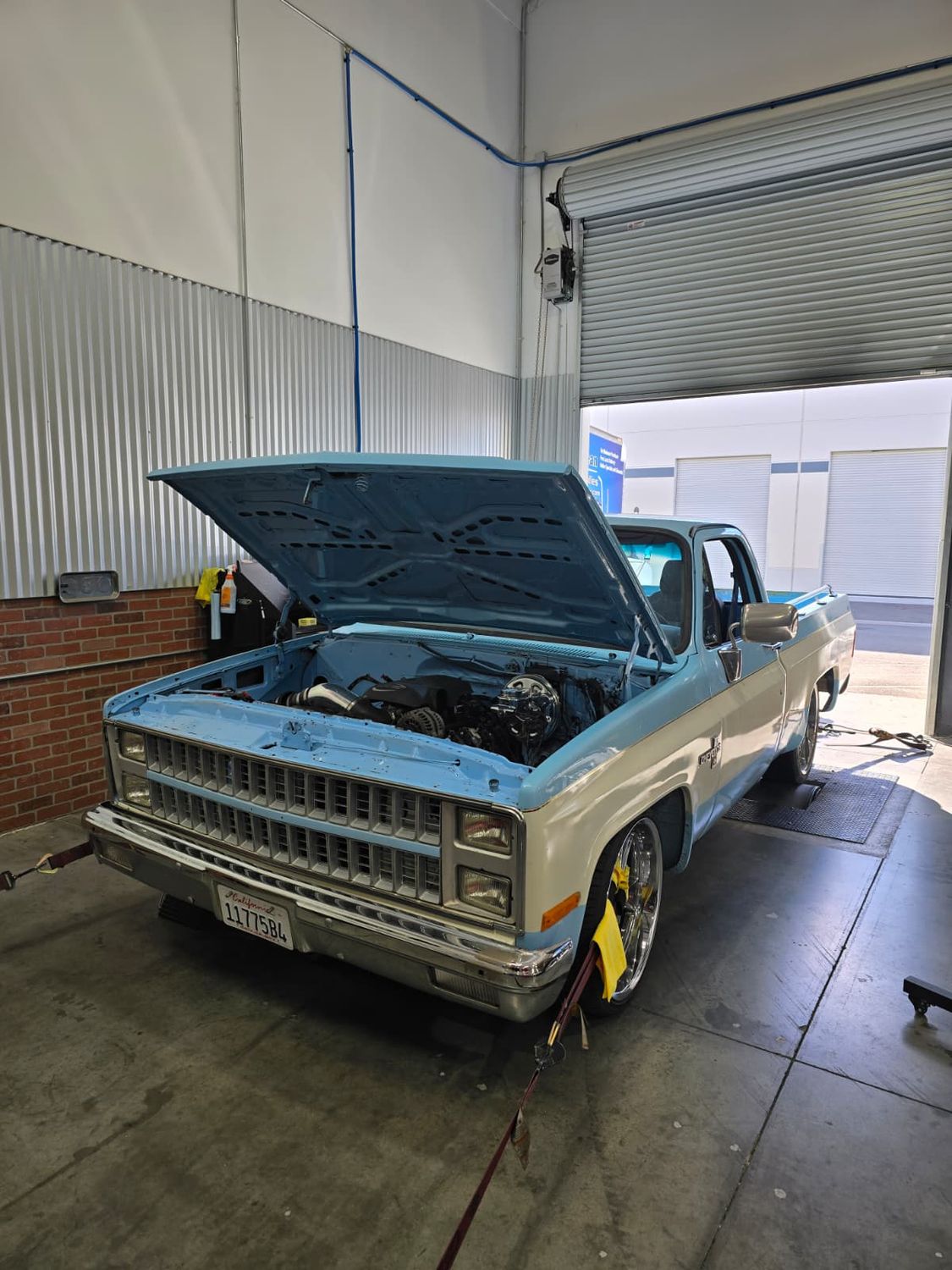
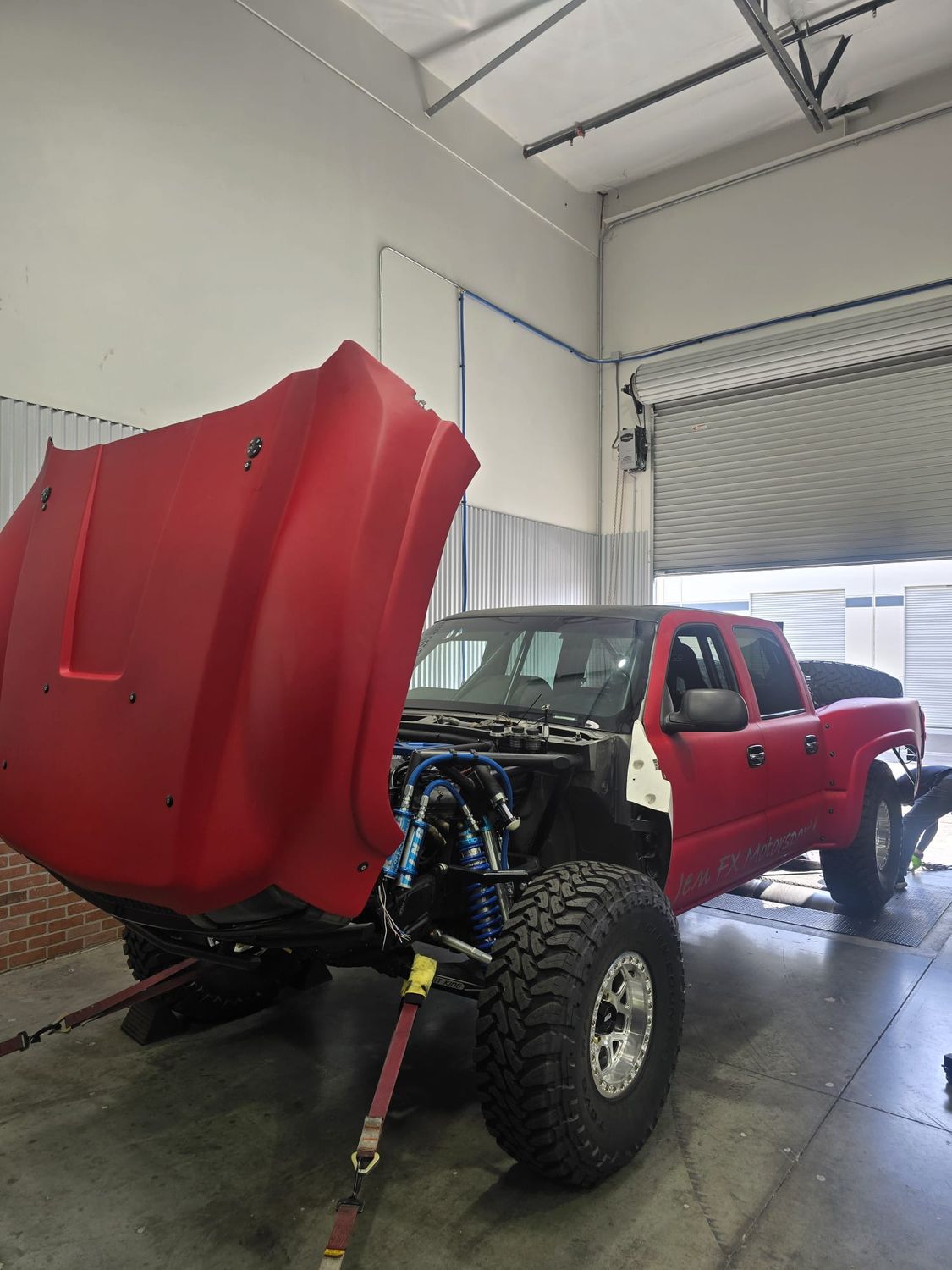
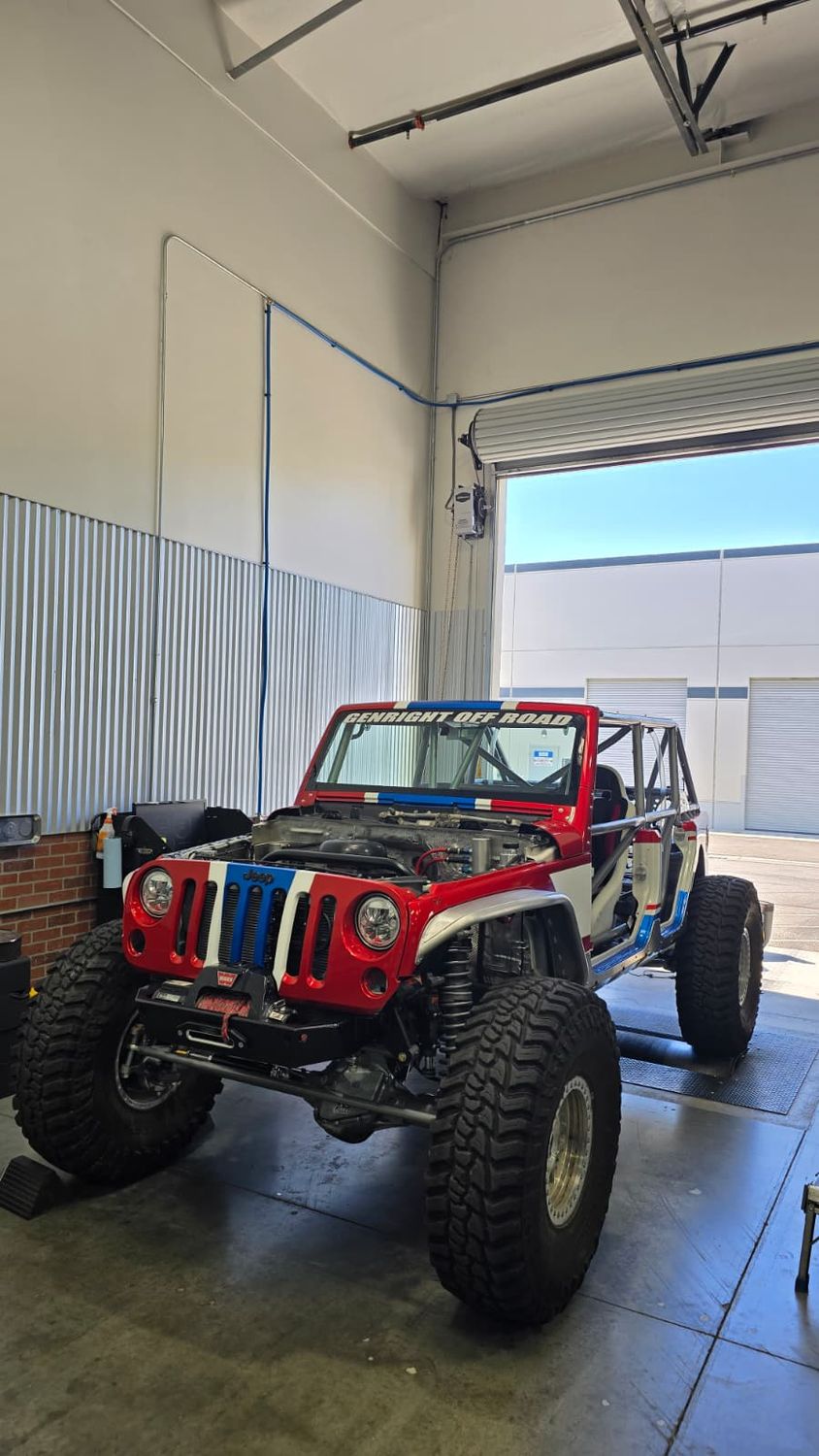
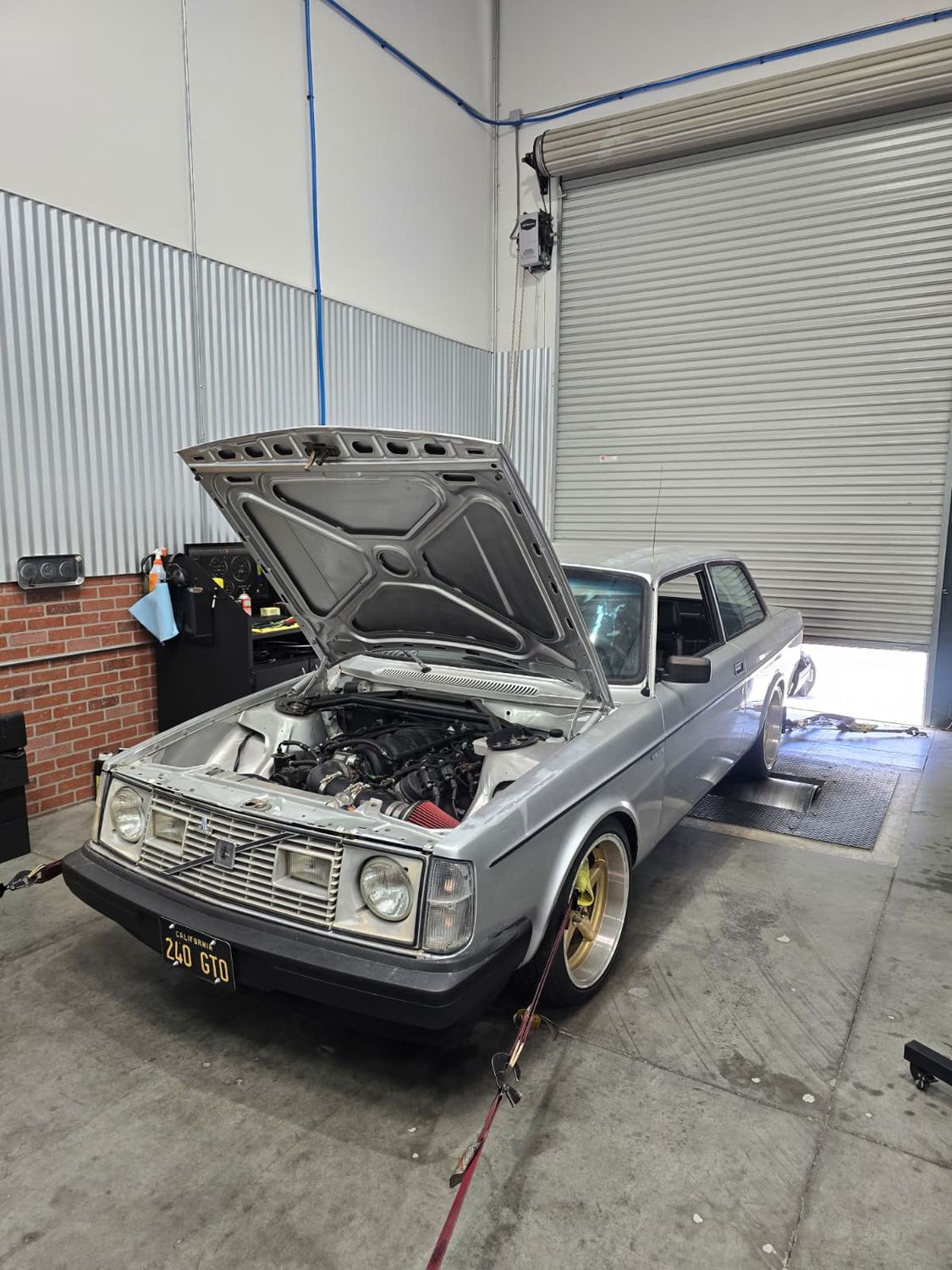
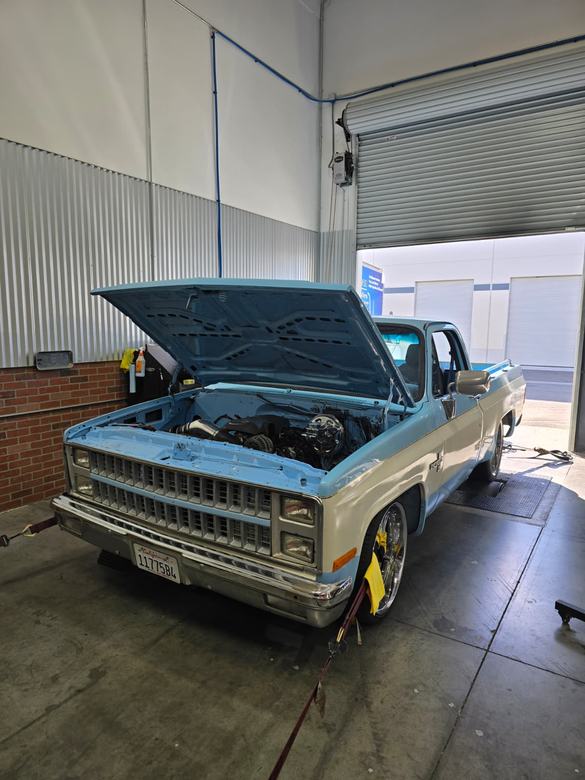
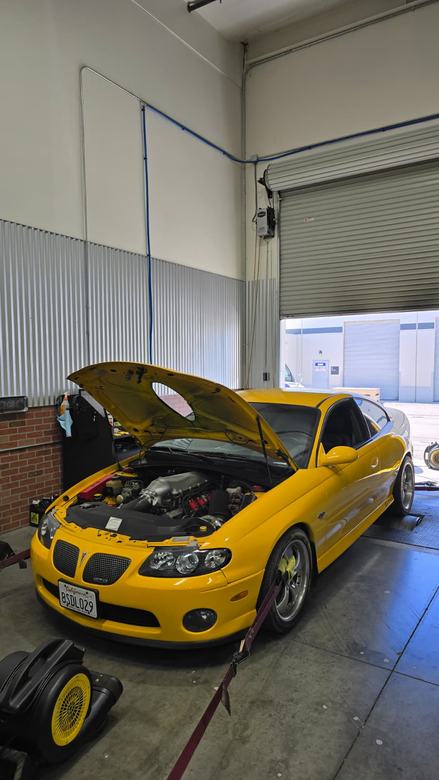
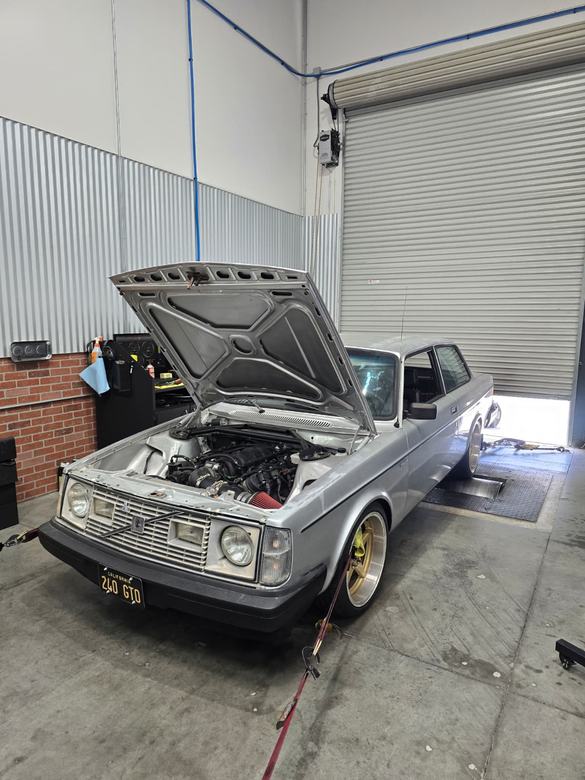
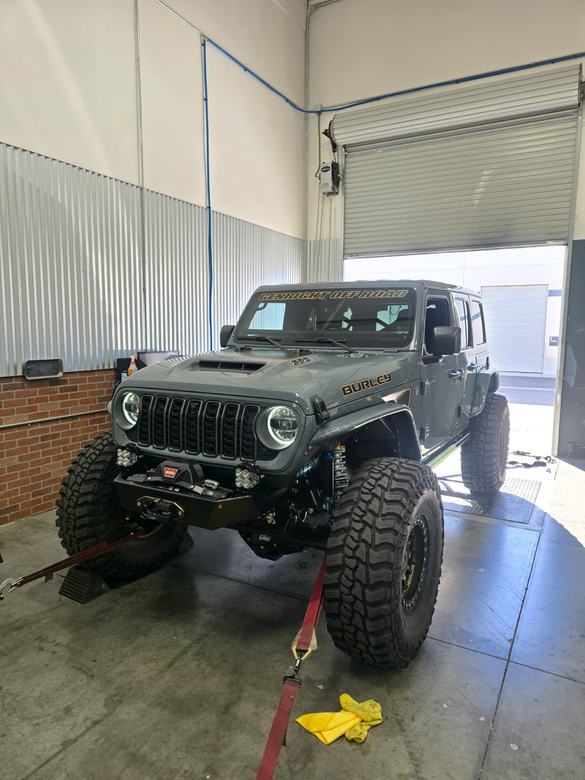
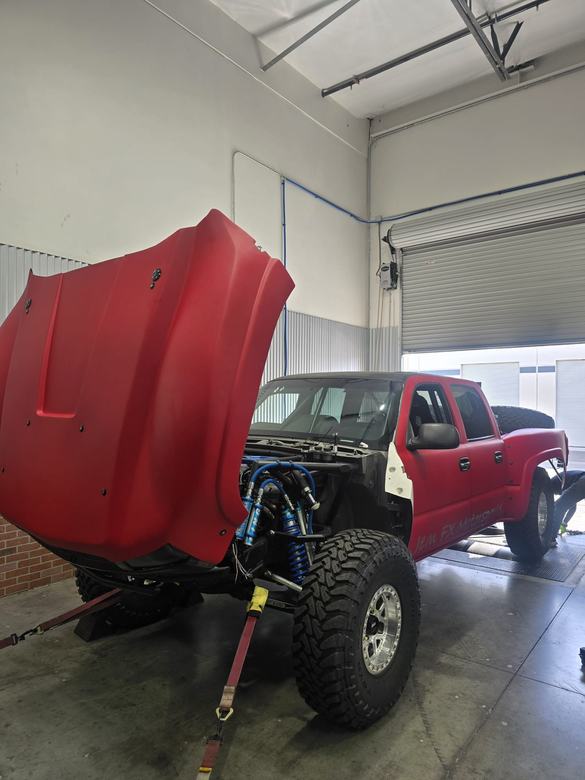
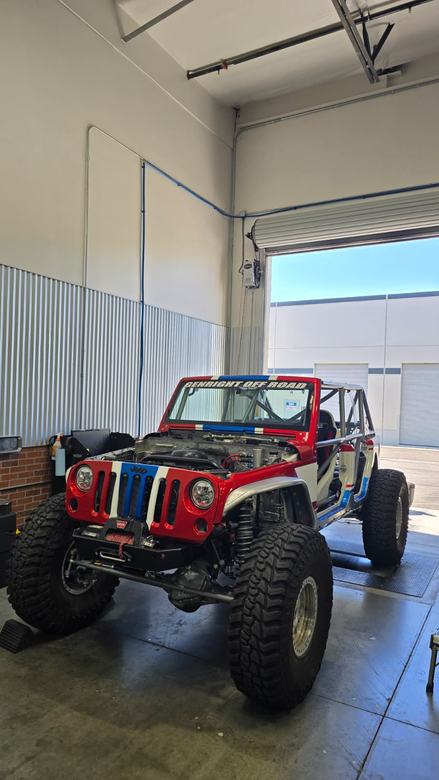
Swapped vehicles, rock crawlers, lowriders, drag cars, diesel tow rigs, Jeeps on 40s, lead sleds, turbo roadsters and the occasional Volvo with a V8 in it. If it makes power, we have probably had it strapped down.
Where we work
Simi Valley, Los Angeles,
and anywhere online
The shop is in Simi Valley, roughly 40 miles from downtown Los Angeles and inside an easy drive of Ventura County and the whole San Fernando Valley. Most customers bring the vehicle to us.
When that is not practical, we travel off-site — to your shop, your event or your build. And remote tuning has no geography at all: we write and revise calibrations for customers all over the world, working from their datalogs.
- In the shop Simi Valley, California — about 40 miles from Los Angeles.
- Nearby Ventura County and the San Fernando Valley, most of it inside 30 minutes.
- Off-site We travel to shops, events and builds when the vehicle cannot come to us.
- Worldwide Remote tuning anywhere — send datalogs, get a calibration back.
Questions
Before you come in
How long does a dyno tuning session take?
It depends on the vehicle and the number of modifications. Most bolt on vehicles are dropped off at 9am and are ready to be picked up by 1pm.
How do I prepare my vehicle for a dyno tune?
Make sure the vehicle has fresh fluids, a strong battery and good tires, and bring it with a full tank of fuel. Fresh oil, and a cooling system that works properly. Fresh spark plugs are recommended but not required. Let us know about any current drivability issues before the session starts.
Can you tune my truck for towing rather than horsepower?
Yes, and we do it constantly. A tow calibration targets torque low in the rev range, safe exhaust gas temperatures under sustained load and correct transmission shift behavior — a very different job from chasing a peak number.
Ready for a tune written for your vehicle?
Tell us what is on the build and we will tell you what the session looks like.